
Preparing Your Landscape for Winter: Essential Tips for Cape Cod Homeowners
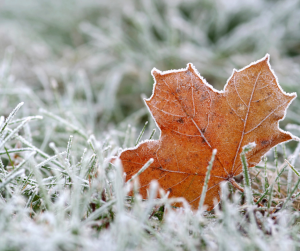
As fall settles in and temperatures begin to drop, Cape Cod homeowners should start thinking about winterizing their landscapes. The unique climate here, characterized by coastal winds, occasional storms, and fluctuating temperatures, requires special care to ensure your yard remains healthy and vibrant when spring returns. Winter preparation is crucial to protecting your plants, lawn, and hardscapes from the harsh cold.
-
Clear Debris and Fallen Leaves
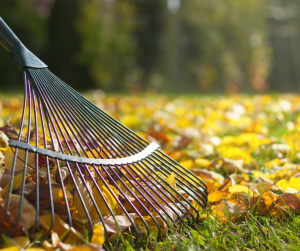
Before the first frost hits, it’s important to clear your yard of debris and fallen leaves. While it may be tempting to let leaves sit through the winter, doing so can smother your lawn, promote mold growth, and attract pests. Raking leaves and removing branches and other debris will ensure your lawn can breathe and absorb moisture effectively during the colder months.
Additionally, consider composting your leaves or using them as mulch in garden beds. Leaf mulch can decompose over the winter and return valuable nutrients to the soil, benefiting your garden come spring.
-
Fertilize Your Lawn for Strong Roots
Late-fall fertilization is one of the best ways to give your lawn a head start in spring. Applying a slow-release fertilizer helps grass roots grow deeper and stronger during the winter, making your lawn more resilient to cold and frosty conditions. Choose a fertilizer rich in phosphorus, as this nutrient encourages root growth.
It’s best to fertilize before the ground freezes so the nutrients can penetrate the soil and strengthen your lawn’s foundation. When spring arrives, you’ll notice a greener, thicker lawn ready to thrive.
-
Winterize Your Irrigation System
One of the most critical tasks for Cape homeowners is winterizing irrigation systems. When water freezes inside pipes and sprinkler heads, it expands and can cause significant damage. Drain your irrigation system before temperatures drop below freezing to prevent costly repairs.
Start by turning off the water supply to your outdoor faucets and disconnecting hoses. Using compressed air, blow out any remaining water from your sprinkler system. If you’re unsure how to winterize your irrigation setup properly, consider calling a professional to ensure everything is thoroughly drained and prepared for winter.
-
Mulch Your Garden Beds
Mulching is essential to winterizing your landscape, particularly for gardens and around trees and shrubs. A layer of organic mulch (like bark or wood chips) acts as an insulator, protecting plant roots from freezing temperatures. It also helps retain moisture during the dry winter months, ensuring your plants stay hydrated.
When applying mulch, keep it about 2-3 inches thick and spread it evenly around the base of plants. Leave a small gap around tree trunks and stems to prevent rot and mold growth.
-
Protect Vulnerable Plants
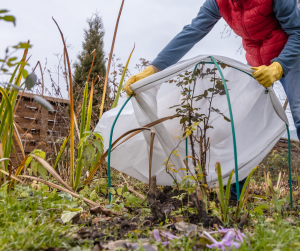
Some plants, especially young or delicate ones, need extra protection from the cold. For Cape residents, this is especially important due to the strong coastal winds and the potential for freezing temperatures. Consider wrapping vulnerable shrubs, trees, and perennials in burlap or using frost blankets to shield them from the elements.
Plants particularly sensitive to cold, such as newly planted trees or tender perennials, should receive extra attention. Creating wind barriers or using cloches can provide an additional layer of defense against winter weather.
-
Prune Trees and Shrubs
Pruning is an important task to tackle before winter sets in, but it should be done with care. Prune dead or diseased branches from trees and shrubs to prevent breakage from snow and ice accumulation. Thinning out crowded areas can also improve air circulation and reduce the risk of pest problems come spring.
However, avoid heavy pruning right before winter, as this can encourage new growth that won’t survive the cold. Instead, focus on removing damaged or dead branches and give your plants a light trim to keep them healthy through the winter.
-
Plant Winter-Friendly Species
Just because winter is approaching doesn’t mean your yard has to look barren. Consider planting winter-hardy species that thrive in colder months. Evergreens, ornamental grasses, and winter-flowering shrubs can add color, texture, and interest to your landscape, even in the dead of winter.
On the Cape, native plants are particularly well-suited to handle the region’s unique climate. Some good options include hollies, boxwoods, and junipers, which maintain their beauty year-round and can withstand the elements.
-
Care for Your Hardscapes
Winter weather can be harsh on patios, walkways, and driveways. Freezing and thawing cycles can cause cracks in hardscapes, so inspecting them for damage before the cold sets in is essential. Repair any cracks or gaps to prevent water from seeping in and freezing, which can lead to larger problems later.
Consider using permeable pavers in areas prone to ice buildup. These allow water to drain through, reducing the risk of slippery surfaces and preventing ice from forming.
-
Store Garden Tools and Outdoor Furniture
To extend the life of your garden tools and outdoor furniture, store them properly for the winter. Clean your tools and apply a protective coat of oil to prevent rust. Store hoses in a dry location to prevent cracking, and bring in any outdoor furniture or cover it with weatherproof covers to protect it from the elements.
-
Plan for Spring
Winter is a great time to start planning for next year’s garden. Use the off-season to sketch new landscape designs, research new plant varieties, or even begin sourcing materials for spring projects. This preparation will ensure you’re ready to hit the ground running when the warmer months arrive.
By winterizing your landscape, you’ll protect your plants, lawn, and hardscapes from the harsh Cape winter. These steps will ensure a healthy yard come spring and save you time, money, and effort in the long run. Preparing now means you’ll be able to enjoy a beautiful, thriving landscape as soon as the temperatures begin to rise again.
Here at Brewster Sand and Gravel, we are ready to help you with any landscaping materials you may need. Have questions? We are happy to help; contact us today!

