
DIY Projects with Mulch: From Pathways to Raised Garden Beds
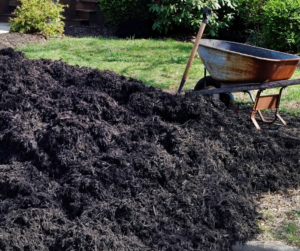
Mulch is a versatile and valuable resource for enhancing the beauty and functionality of outdoor spaces. At Brewster Sand & Gravel, we understand the transformative power of mulch and are here to guide you through several exciting DIY projects. From creating charming pathways to building raised garden beds, using mulch can elevate the aesthetics and health of your garden. In this article, we’ll explore the benefits of mulch, guide you through various projects, and offer tips for buying and storing mulch.
Understanding Mulch
Types of Mulch
Mulch comes in various forms, broadly categorized into organic and non-organic types.
- Organic Mulch: This includes bark, wood chips, straw, and compost. Organic mulch decomposes over time, adding nutrients to the soil and improving its structure.
- Non-organic Mulch: Examples are gravel, rubber, and plastic. These types of mulch are long-lasting and primarily used for decorative purposes or where organic mulch might not be suitable.
Choosing the Right Mulch
Selecting the right mulch depends on your specific needs and preferences. Consider the following factors:
- Aesthetic Preferences: Choose a mulch that complements the look of your garden.
- Functional Needs: Determine whether you need mulch primarily for weed control, moisture retention, or soil improvement.
- Climate and Environmental Considerations: Some mulches are better suited for certain climates. For instance, wood chips work well in temperate areas, while gravel might be better in regions with heavy rainfall.

Creating Mulch Pathways
Planning Your Pathway
Creating a mulch pathway is a fantastic way to add structure and visual appeal to your garden.
- Selecting the Location and Design: Decide where you want your pathway to go. Consider how it will connect different garden areas and complement your landscape’s overall design.
- Measuring and Marking the Area: Use stakes and string to outline the pathway. Ensure it is wide enough for comfortable walking.
Preparing the Ground
- Clearing the Area: Remove any grass, weeds, or debris from the pathway.
- Laying Landscape Fabric: Place landscape fabric on the cleared ground to prevent weeds from growing through the mulch. This step is crucial for long-term maintenance.
Installing the Mulch
- Spreading the Mulch Evenly: Pour it over the landscape fabric, spreading it to a depth of 2-3 inches. Ensure it is evenly distributed.
- Edging the Pathway: Use stones, bricks, or metal edging to keep the mulch in place and give the pathway a finished look.
Maintenance Tips
- Regularly Topping Up the Mulch: Mulch decomposes and compacts over time. Add fresh mulch as needed to maintain the desired depth.
- Checking for Weeds: Occasionally inspect the pathway for weeds and remove them promptly to keep your pathway looking pristine.

Building Raised Garden Beds with Mulch
Benefits of Raised Garden Beds
Raised garden beds offer several advantages:
- Better Soil Drainage: Raised beds prevent waterlogging, which can damage plant roots.
- Easier to Manage and Maintain: They reduce the need for bending over, making gardening more accessible.
- Improved Plant Growth: Plants can thrive with better control over soil conditions.
Constructing the Raised Beds
- Choosing Materials: Select durable materials such as wood, stone, or metal for your bed frames.
- Assembling the Bed Frame: Build the frame to your desired dimensions. Ensure the sides are sturdy and the bed is level.
Filling the Beds with Soil and Mulch
- Layering Soil and Organic Mulch: Start with a layer of quality soil. Add a layer of organic mulch to enrich the soil as it decomposes.
- Mixing mulch into the Soil: For certain plants, you can mix mulch into the soil to improve its texture and nutrient content.
Planting and Mulching
- Selecting Suitable Plants: Choose plants that thrive in your climate and soil conditions.
- Applying Mulch Around Plants: Spread mulch around the plants to retain moisture, suppress weeds, and regulate soil temperature.
Additional Creative Mulch Projects
Mulch in Flower Beds
Mulch is perfect for flower beds, providing both aesthetic and practical benefits:
- Enhancing Visual Appeal: Mulch adds a polished look to flower beds, highlighting the vibrant colors of your plants.
- Protecting Plant Roots: Mulch helps maintain a stable soil temperature and moisture level, promoting healthy root growth.
Mulch Around Trees and Shrubs
- Creating Mulch Rings: Form a mulch ring around the base of trees and shrubs, ensuring the mulch is not piled against the trunk.
- Avoiding Mulch Volcanoes: Spread the mulch evenly, avoiding the common mistake of piling it high against the plant’s base, which can cause rot.
Mulch for Erosion Control
- Stabilizing Slopes: To prevent soil erosion and promote plant growth, apply mulch on slopes.
- Preventing Soil Erosion: Use mulch blankets in areas prone to erosion to secure the soil and support vegetation establishment.
Tips for Buying and Storing Mulch
Selecting Quality Mulch
- Identifying Reputable Suppliers: Purchase mulch from trusted suppliers to ensure you get high-quality, contaminant-free products.
- Checking for Contaminants: Inspect mulch for any signs of mold, pests, or foreign materials that could harm your plants.
Estimating Mulch Quantity
- Calculating Coverage: Determine how much mulch you need by measuring the area and deciding on the desired depth. Most mulch calculators can help you with this.
- Understanding Bag vs. Bulk Options: Decide whether to buy mulch in bags for small projects or in bulk for larger areas.
Proper Mulch Storage
- Keeping Mulch Dry and Protected: Store mulch in a dry, covered area to prevent it from becoming waterlogged or contaminated.
- Using mulch Promptly: Use mulch within a reasonable time to maintain its quality and effectiveness.
Mulch is an incredibly versatile material that can enhance the beauty and overall health of your garden. Whether you’re creating pathways, building raised garden beds, or tackling other creative projects, mulch offers numerous benefits. You can transform your outdoor space into a stunning and functional haven by choosing the right type of mulch and following proper installation and maintenance techniques.
At our landscaping supply company on Cape Cod, MA, we are dedicated to helping you achieve your gardening goals. Our expert team is ready to assist you with selecting the best mulch and providing tips for your DIY projects. Visit or contact us today for personalized advice and high-quality landscaping supplies. Let us help you transform your garden into a beautiful and thriving space. Follow us on social media for more gardening tips and inspiration, and share your DIY projects with our community!
By incorporating mulch into your garden, you’ll enhance its visual appeal, promote healthier plants, and create a more enjoyable outdoor space.
Happy gardening!

